Even though most American kids spend the majority of their childhoods as students in our K-12 school systems, up until a few decades ago, it was standard for children with disabilities in the U.S. to be excluded from public education.
Only one in five kids with special needs attended public schools, and the kids who did get to go were often segregated from other students and offered much more limited academic opportunities.
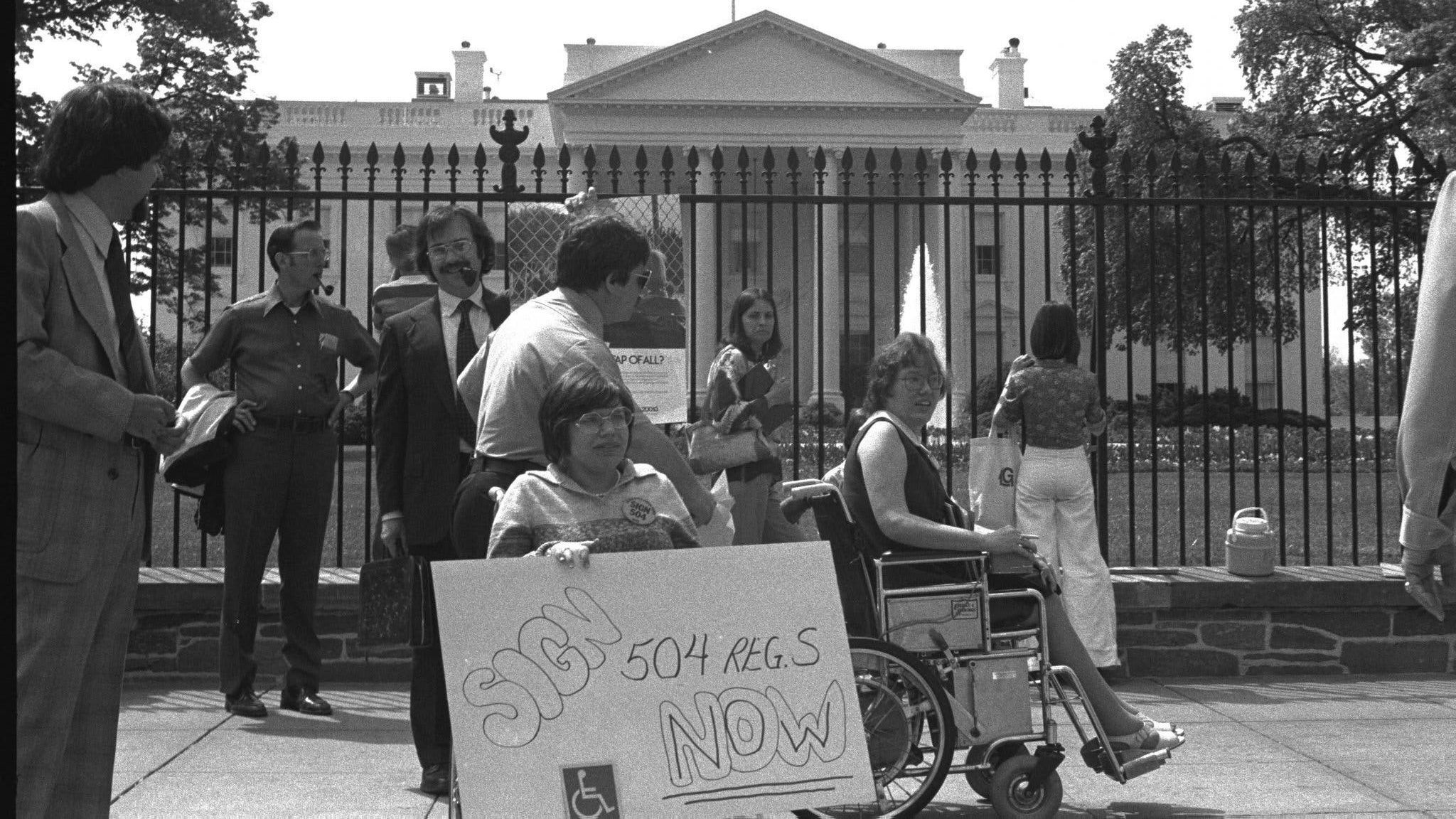
In the 1970's, in large part because of the activism and advocacy of parents of children with disabilities, several key pieces of legislation passed that protect the right of a child to access education, including the law now known as The Individuals with Disabilities Education Act (IDEA), which established Special Education, and Section 504 of the Rehabilitation Act of 1973.
This page of our eResource Library has videos, articles, and organization links related to:
- your child's rights, especially to receive a Free and Appropriate Public Education
- the basic components of Special Education
- information and support to help you advocate for your child
IDEA and Special Education Basics
Special Education Resources in Spanish
Local Special Education Agencies
IEP Basics
If your child receives Special Education, their Individualized Education Plan will be the blueprint for how it's delivered. The process of developing an IEP can be overwhelming if you don’t know what to expect. We’ve included resources in this section that cover the key components of the IEP, so you can be more confident and prepared to advocate for your child.
Advocacy Basics
Sometimes parents are nervous or uncomfortable about advocating for their child with special needs, but advocacy doesn't always mean a big conflict or a fight. Advocating might mean taking the time to send an email to remind your child's team that there's a plan in place that should be followed, or calling for an extra meeting so that everyone can look at new information together. The truth is that even parents who are very nervous often discover that they quickly become very brave and self-assured when it comes to speaking up for their child.
We're including some basic Advocacy Resources and Organizations as references on this page. Whether you're a nervous beginner or an aspiring parent leader, ParentsCAN staff are always available to support you--contact us for a one-on-one consult or try one of our advocacy workshops or classes.


